Covid-19 News
Coverage of the global pandemic and its wide-reaching effects — from the surge in online gaming during lockdowns to shifts in how people work, travel, and connect.
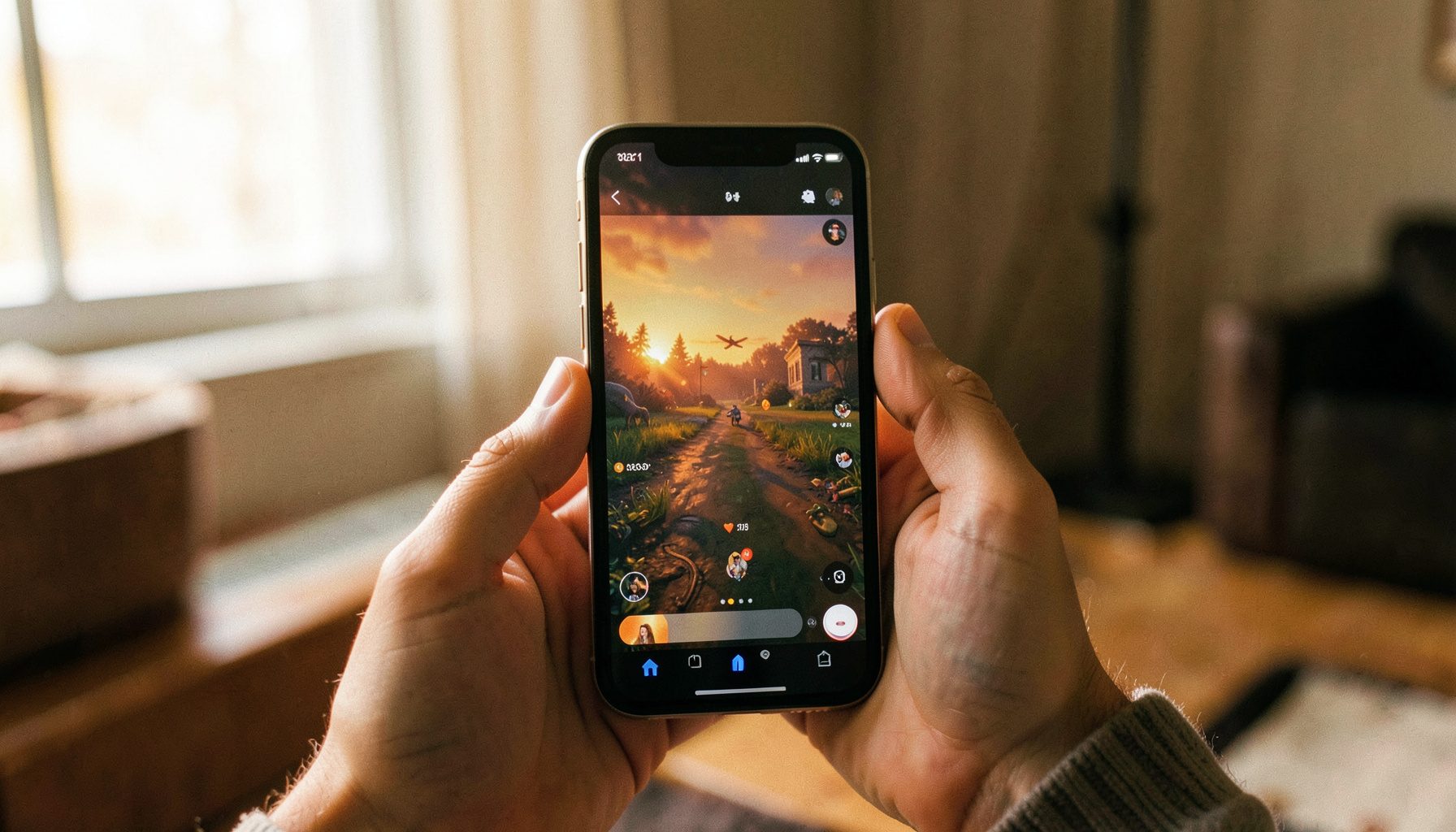
The global pandemic reshaped how millions of people engage with entertainment, and online gaming emerged as a primary outlet for connection and escape. With lockdowns keeping populations at home, gaming platforms saw surges in activity as both casual and dedicated players logged on in record numbers. Multiplayer experiences became virtual gathering spaces, allowing friends and strangers alike to collaborate and compete from a distance. This shift was not limited to traditional PC or console gaming; mobile and cloud-based services also experienced significant growth, as people sought accessible ways to pass the time. The gaming industry adapted quickly, demonstrating its resilience and importance in a socially distanced world.
Space exploration continued to capture global attention even as the pandemic unfolded on Earth. Astronauts aboard the International Space Station carried on with their scientific missions, providing a reminder of humanity's reach beyond the planet. The unique situation of crew members spending extended time in orbit while a pandemic raged below highlighted both the isolation of space travel and the dedication required for such work. Meanwhile, space agencies pushed forward with ambitious plans, including asteroid sample return missions and preparations for crewed lunar flights. These efforts offered an inspiring glimpse of long-term goals even as daily life on Earth faced unprecedented disruption.
The technology sector saw accelerated trends in how people work, communicate, and consume media during the pandemic. Cloud gaming services and streaming platforms gained traction as consumers looked for new ways to play and watch without needing expensive hardware. Companies invested in voice technology and audio quality, recognizing that clear communication had become essential for remote work and online socializing. Desktop and mobile devices became central to daily routines, bridging the gap between professional responsibilities and personal entertainment. The pandemic acted as a catalyst for digital adoption, pushing both companies and consumers to embrace tools and services that might have taken years to gain widespread acceptance otherwise.
Electric vehicles and clean energy continued to make headlines as the automotive industry navigated pandemic-era challenges. Major manufacturers pushed forward with electric truck and SUV models, signaling a long-term shift away from traditional combustion engines. The race to build more efficient batteries and expand charging infrastructure remained a priority, even as global supply chains faced disruptions. Regulatory discussions around emissions credits and sustainability standards gained renewed urgency, with governments and corporations alike recognizing the need for greener transportation solutions. These developments pointed to a future where electric mobility would play an increasingly central role in how people travel and how industries operate.